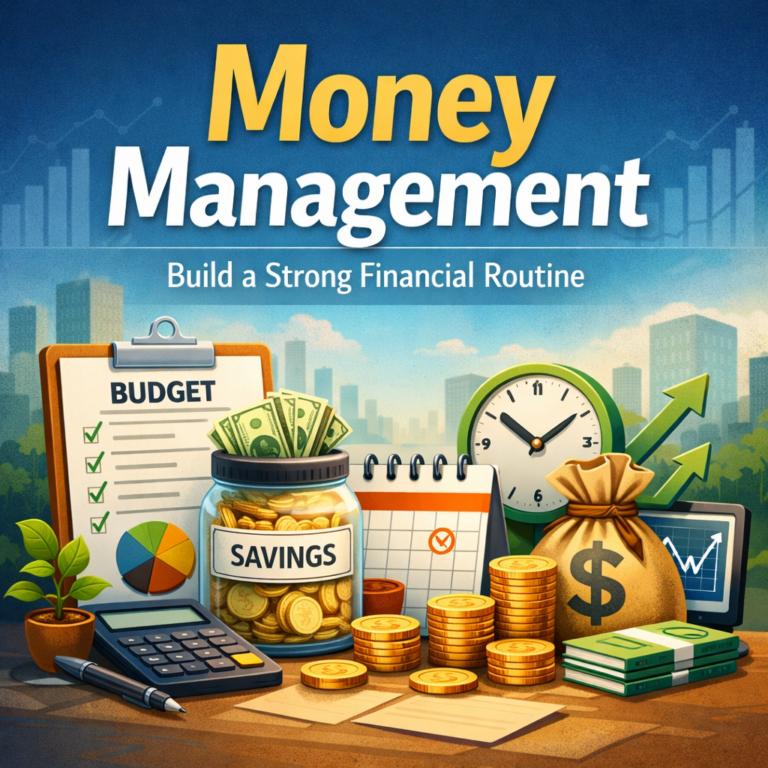

Personal finance is not just about earning money—it’s about managing it wisely to create stability, freedom, and long-term security. Whether you are starting your career, running a business, or planning for the future, understanding personal finance helps you make informed decisions and avoid unnecessary financial stress.
At the heart of personal finance is budgeting. A well-planned budget gives you clarity on where your money comes from and where it goes. By tracking income and expenses, you gain control over spending habits and can identify areas to cut costs. Budgeting is not about limiting enjoyment; it is about aligning your money with your priorities and goals.
Saving is another essential pillar of personal finance. Setting aside a portion of your income regularly creates a financial safety net. An emergency fund can protect you from unexpected expenses such as medical bills, job loss, or urgent repairs. Ideally, this fund should cover at least three to six months of living expenses, providing peace of mind during uncertain times.
Managing debt responsibly is equally important. While some forms of debt, such as education or home loans, can support long-term growth, uncontrolled debt can quickly become a burden. Understanding interest rates, repayment schedules, and credit terms helps prevent financial strain. Prioritizing high-interest debt and avoiding unnecessary borrowing can significantly improve your financial health.
Personal finance also involves planning for both short-term and long-term goals. Short-term goals may include buying a gadget, taking a vacation, or building an emergency fund. Long-term goals often focus on retirement, home ownership, or financial independence. Clear goals give direction to your financial decisions and help you stay disciplined even when faced with temptations.
Investment plays a vital role in growing wealth over time. Simply saving money is often not enough to beat inflation. Investing allows your money to work for you by generating returns over the long term. The key is to understand your risk tolerance and choose investment options that match your financial goals. A diversified approach can help balance potential rewards with manageable risk.
Insurance is another critical but often overlooked aspect of personal finance. Health, life, and asset insurance protect you and your family from major financial setbacks. While insurance does not create wealth, it preserves it by shielding you from unexpected losses that could derail years of financial progress.
Financial literacy is the foundation that ties all aspects of personal finance together. Understanding basic financial concepts empowers you to make smarter decisions, avoid common mistakes, and plan confidently. Learning about money is a continuous process, and staying informed helps you adapt to changing financial circumstances.
Personal finance is deeply personal—there is no one-size-fits-all strategy. What matters most is consistency, awareness, and discipline. Small, regular financial habits can lead to significant improvements over time.
By taking control of your personal finances today, you lay the groundwork for a more secure, flexible, and fulfilling future. Smart money management is not about perfection; it’s about progress and informed choices.
About the Author