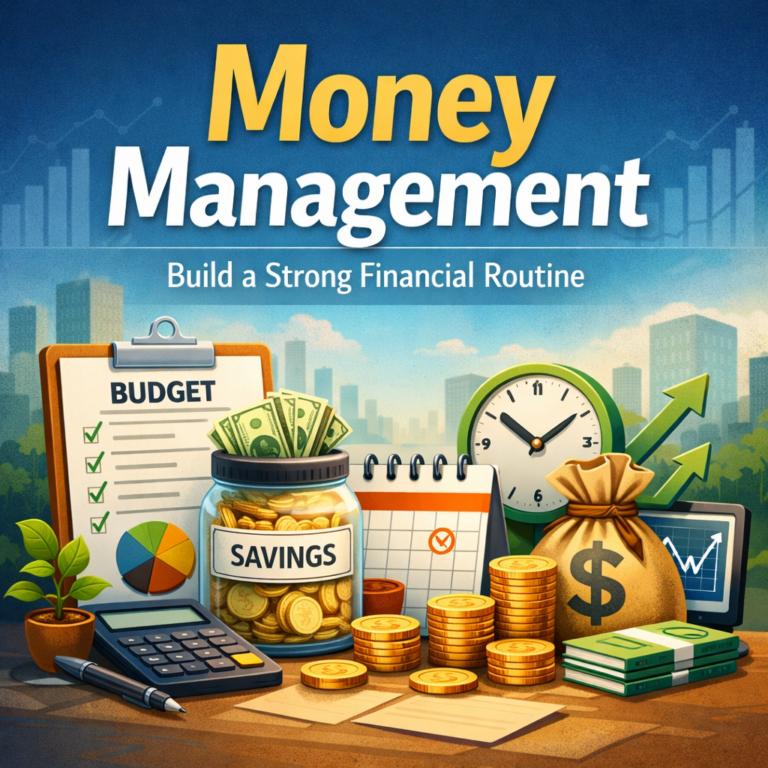

Personal finance is more than just managing money—it’s about making informed decisions that help you achieve stability, freedom, and peace of mind. In today’s fast-paced world, where expenses are rising and financial choices are becoming more complex, understanding personal finance is no longer optional. It is an essential life skill that empowers individuals to take control of their present and plan confidently for the future.
At its core, personal finance involves managing income, expenses, savings, investments, and financial risks. The first step toward financial well-being is awareness. Knowing how much you earn and where your money goes each month creates clarity. Budgeting is not about restriction; it’s about direction. A well-planned budget helps you prioritize essentials, reduce unnecessary spending, and allocate funds toward goals that truly matter.
Saving is another critical pillar of personal finance. Many people believe saving is only possible when income is high, but in reality, saving is about consistency, not amount. Even small, regular savings can grow significantly over time. Building an emergency fund should be a top priority. This safety net protects you from unexpected events such as medical expenses, job loss, or urgent repairs, reducing the need to rely on debt during difficult times.
Debt management plays a crucial role in financial health. Not all debt is bad, but unmanaged debt can become a heavy burden. Credit cards, personal loans, and buy-now-pay-later schemes can quickly lead to financial stress if not handled responsibly. Understanding interest rates, repayment terms, and prioritizing high-interest debt can help you regain control and avoid long-term financial strain.
Investing is often seen as complicated or risky, but it is one of the most effective ways to build wealth over time. Investing allows your money to grow beyond traditional savings by taking advantage of compounding. Whether it’s mutual funds, stocks, fixed income instruments, or retirement plans, the key is to start early and stay consistent. Risk tolerance, time horizon, and financial goals should always guide investment decisions rather than market trends or short-term hype.
Personal finance is also deeply connected to mindset and behavior. Financial discipline, patience, and long-term thinking are just as important as income level. Lifestyle inflation—spending more simply because you earn more—can silently derail financial progress. Conscious spending and goal-based planning help ensure that increased income leads to improved financial security, not increased stress.
Another often overlooked aspect of personal finance is financial protection. Insurance, including health, life, and asset coverage, acts as a shield against major financial setbacks. While it may seem like an extra expense, insurance is a crucial component of a balanced financial plan, ensuring that years of effort are not undone by unforeseen circumstances.
Ultimately, personal finance is a journey, not a destination. There is no one-size-fits-all approach. Each individual’s financial situation, goals, and challenges are unique. The key is to stay informed, review your finances regularly, and adapt as life changes. By developing healthy money habits today, you lay the foundation for a more secure, confident, and financially independent future.
About the Author